Research Projects
These are some of the broad classifications of projects that I usually work on. For more details on individual projects, check out my publications.
The “For Dummies” Series
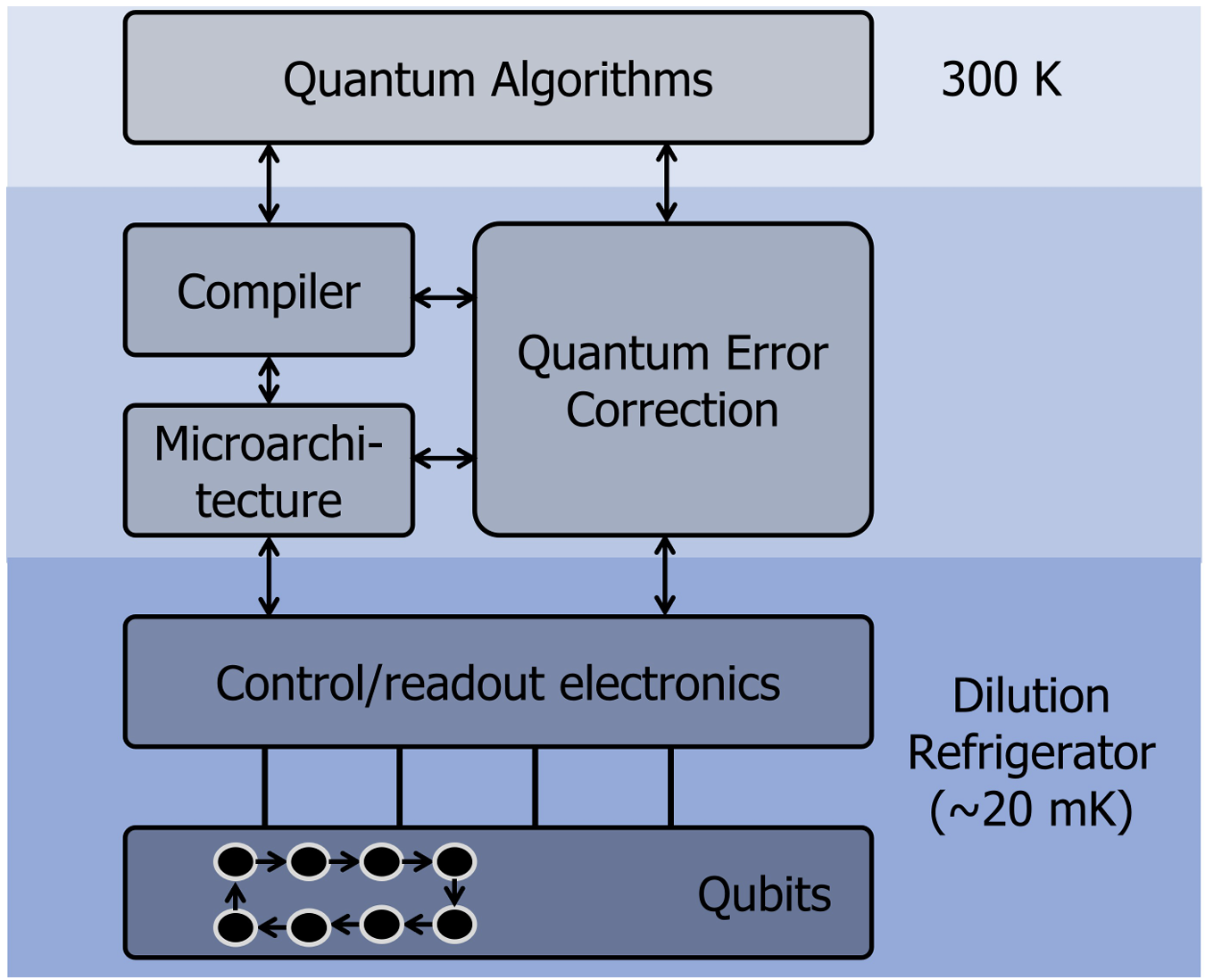
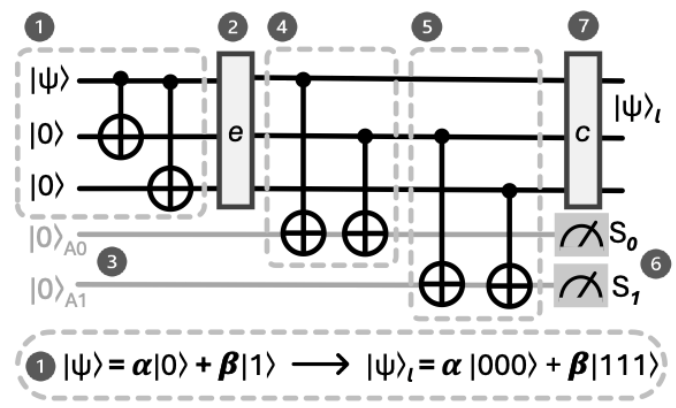
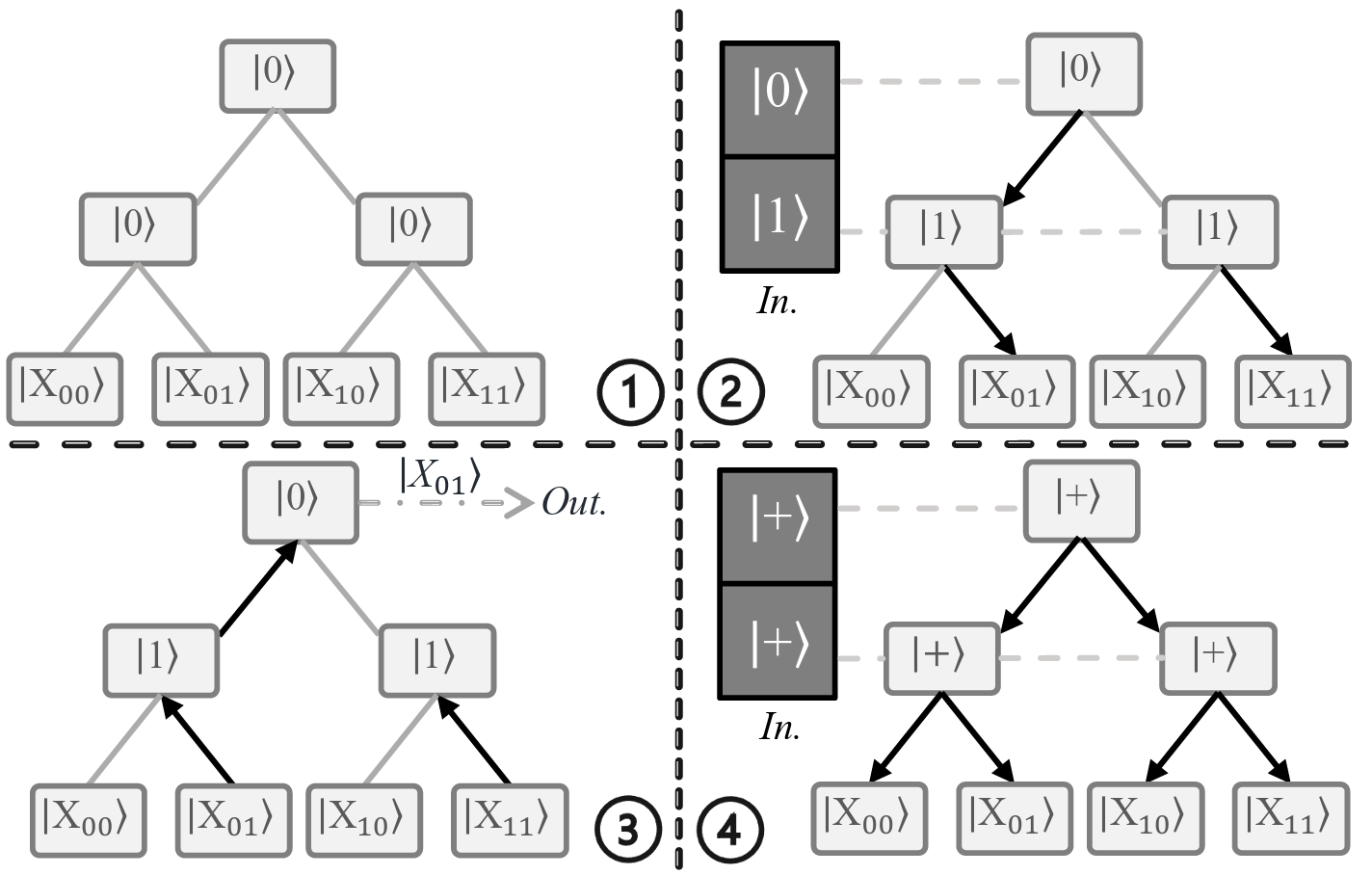
This series aims to provide accessible and intuitive introductions to key topics in quantum computing, with an emphasis on clarity and broad accessibility. The works in this category distill complex ideas into simplified explanations that can be understood without extensive background in quantum physics or advanced mathematics. The current series includes three papers covering quantum error correction (QEC), lattice surgery, and quantum random access memory (QRAM). This is an ongoing effort, with plans to expand the series to include additional “for dummies” papers on other important areas of quantum computing.

Compilation in Large-Scale Fault-Tolerant Quantum Computing
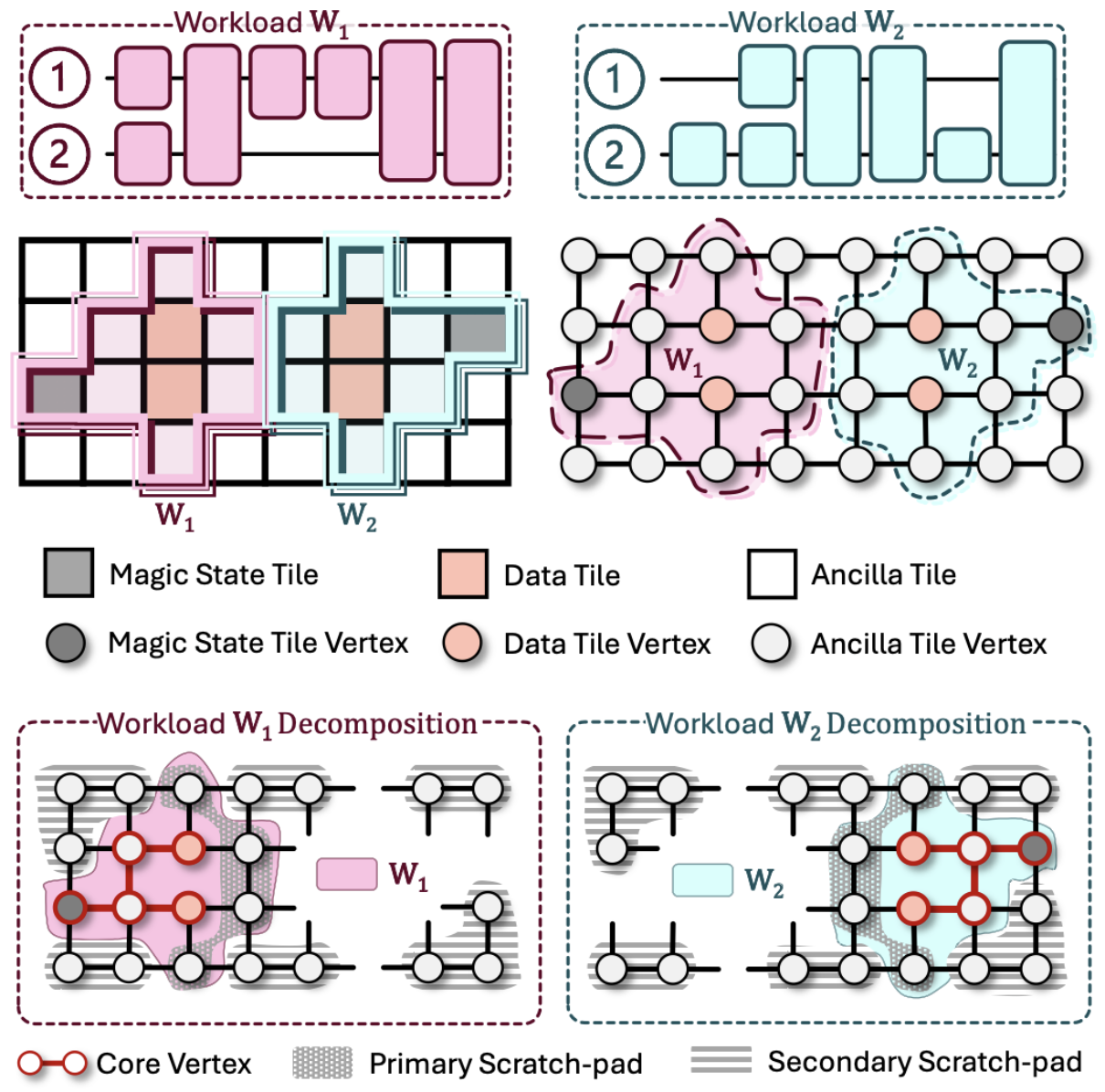
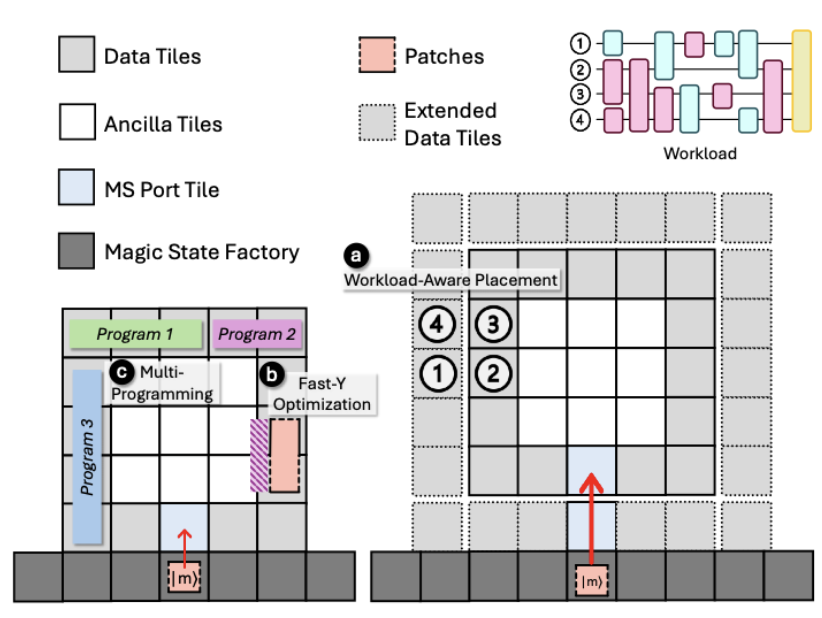
This project area broadly focuses on the compilation and system-level organization of large fault-tolerant quantum workloads. It includes work on architectural design, resource allocation, workload mapping, and execution strategies that are relevant to practical large-scale quantum computation. More generally, this category examines how complex quantum applications can be supported efficiently on realistic fault-tolerant platforms, while accounting for important tradeoffs in scalability, performance, and flexibility.
Spatiotemporal Optimization in Quantum Error Correction
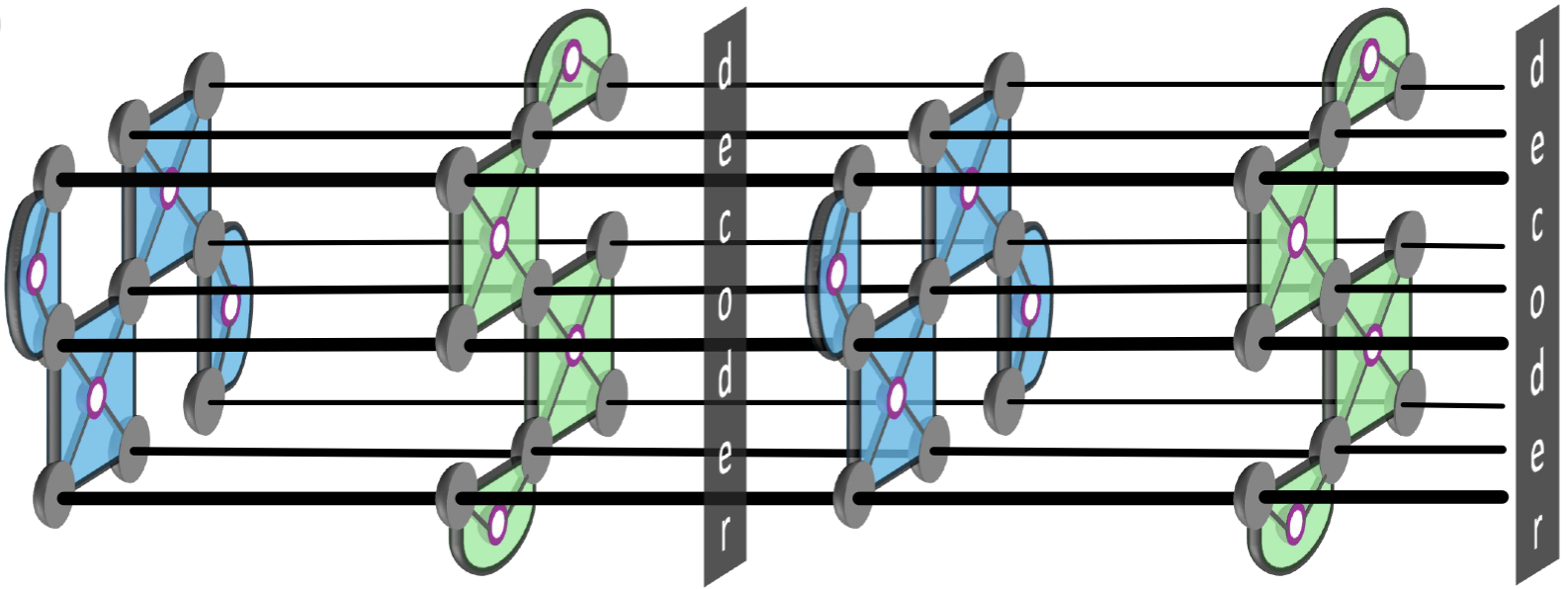
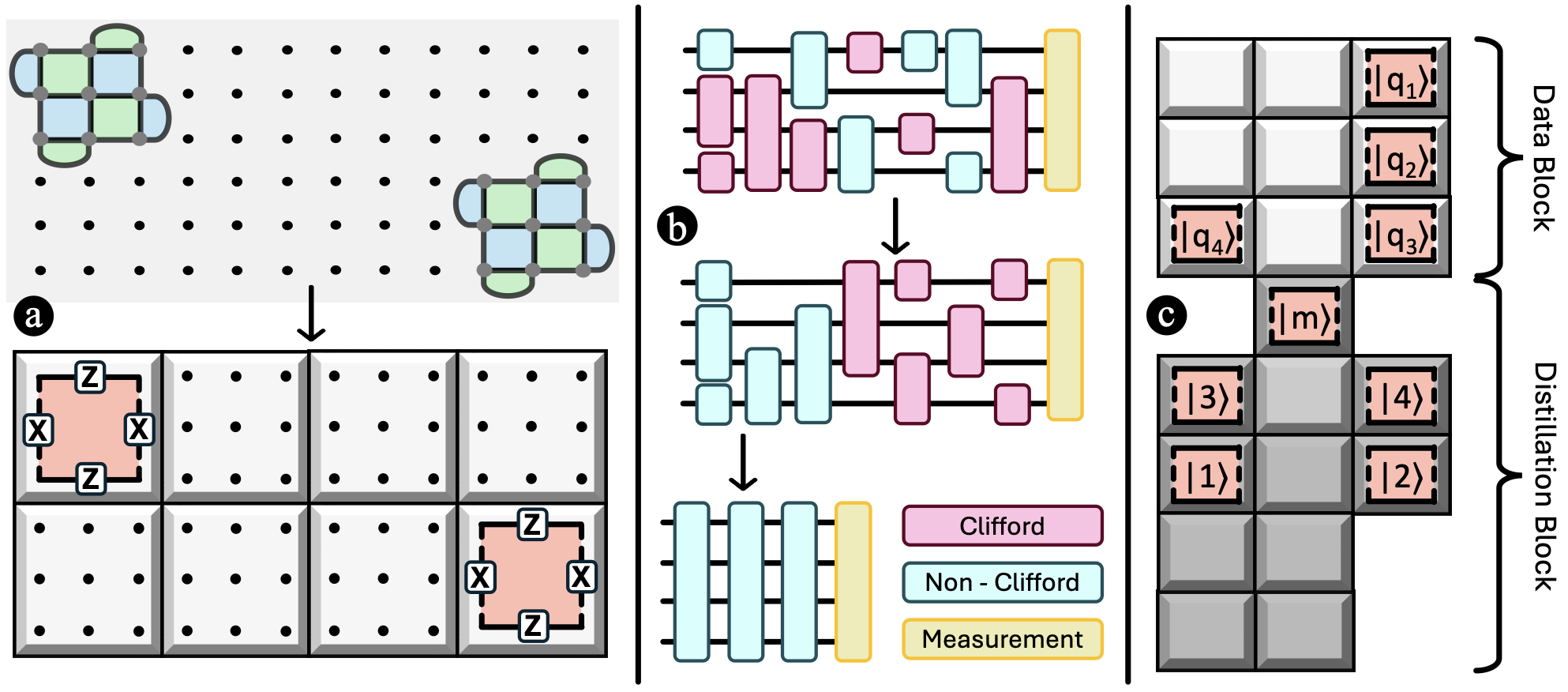
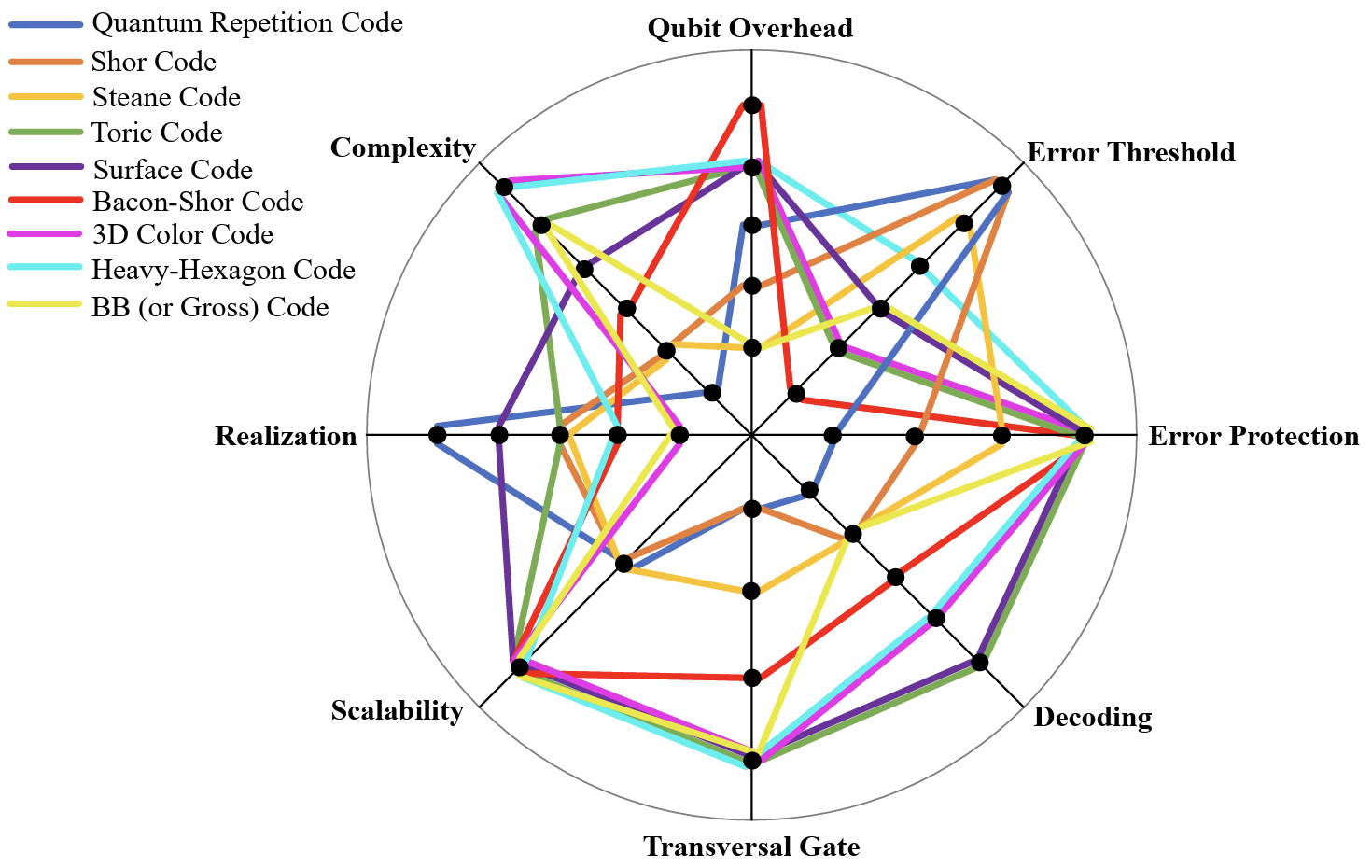
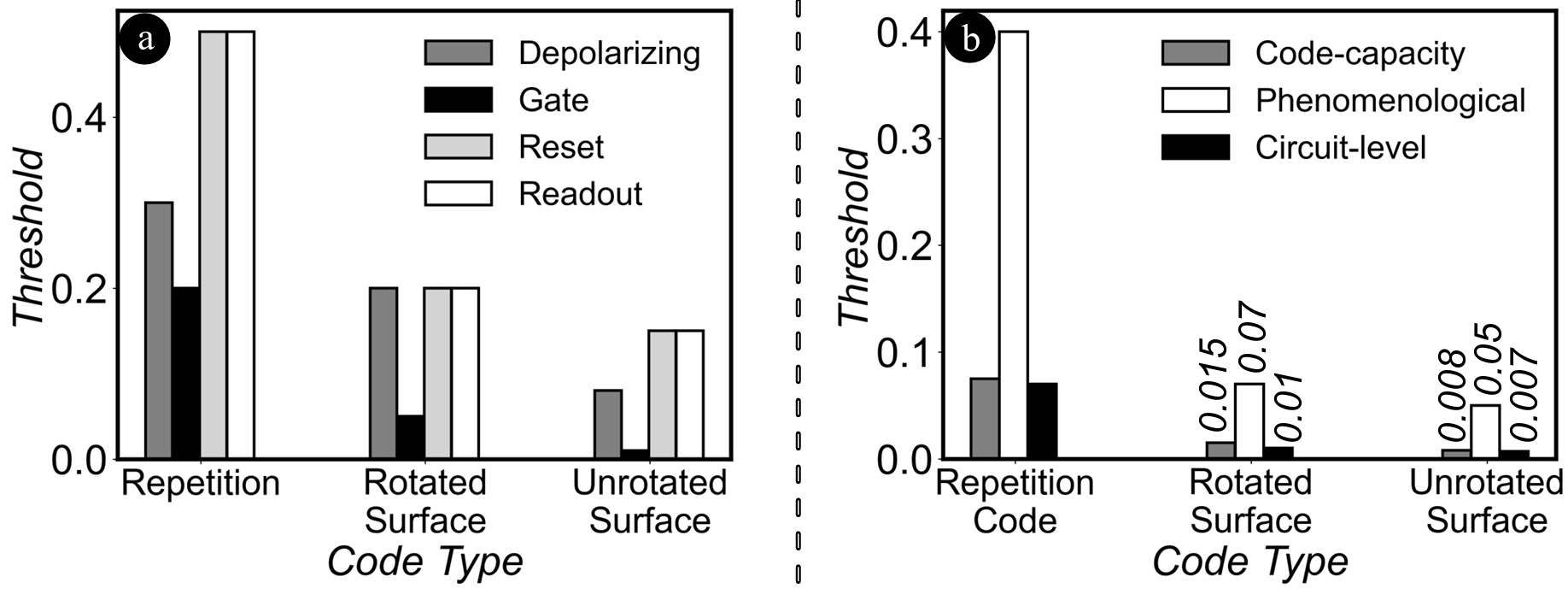
This project area broadly focuses on the spatiotemporal optimization of fault-tolerant quantum error correction. It includes work on reducing qubit overhead, improving layout and resource organization, and developing compilation and execution strategies that make better use of space and time in large-scale quantum systems. At a broader level, this category is concerned with understanding and managing the tradeoffs that shape practical, scalable, and resource-efficient fault-tolerant quantum computation.
Quantum Benchmarking and Characterization
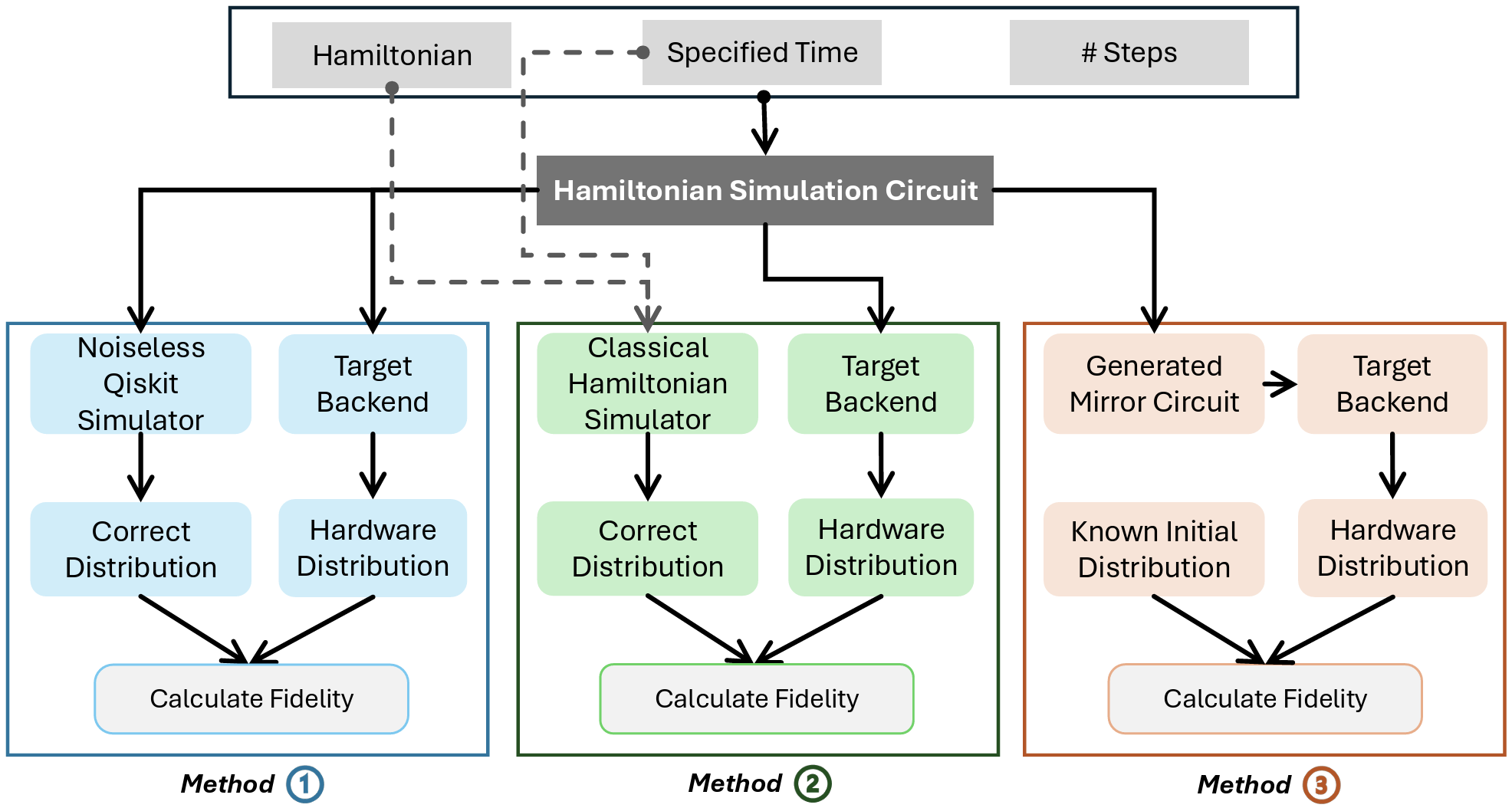
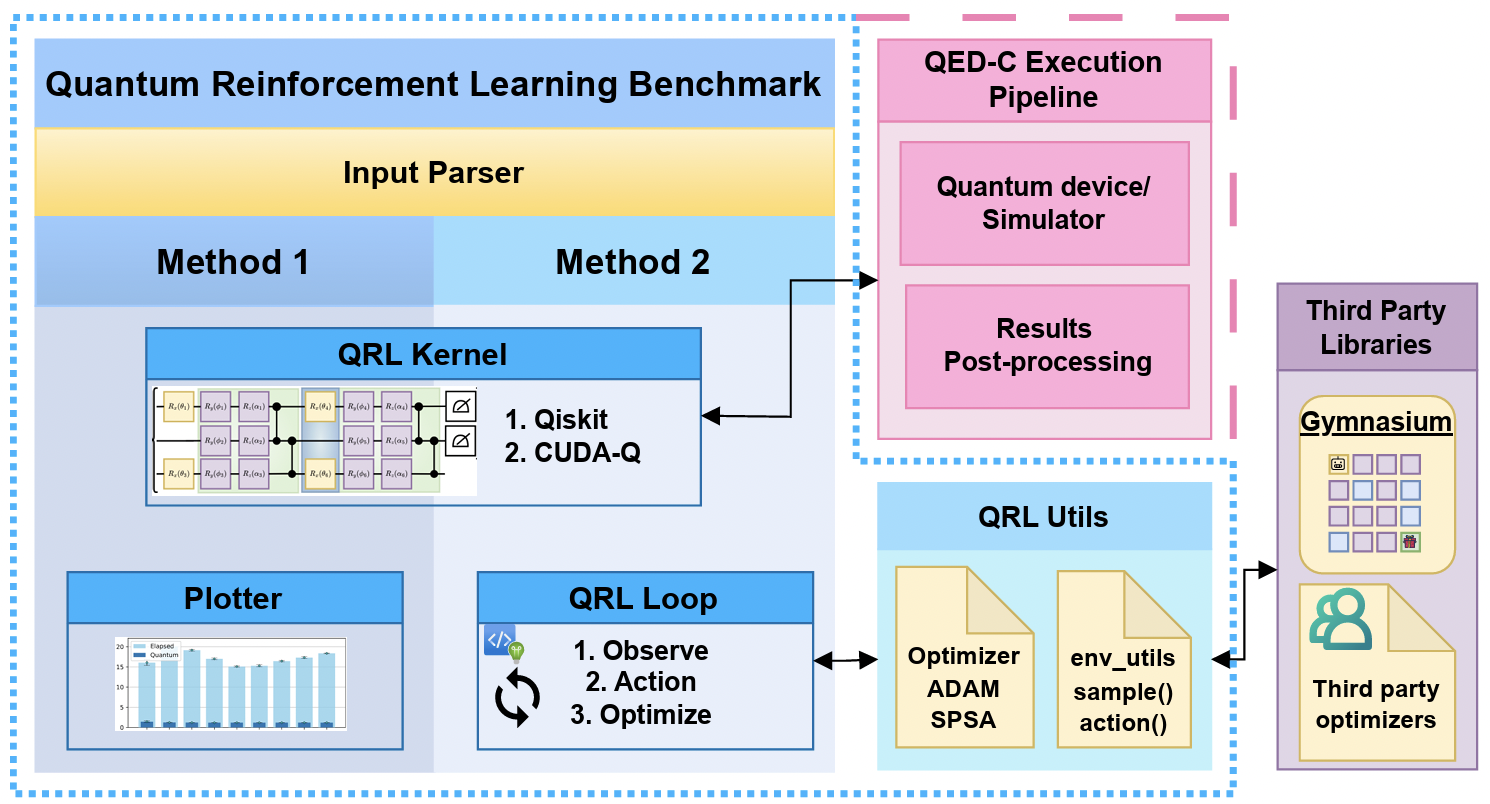
This project area broadly focuses on the benchmarking and characterization of quantum systems and algorithms. It includes work on developing general methodologies, software frameworks, and evaluation strategies for assessing performance, reliability, and scalability across a range of quantum hardware and simulation platforms. At a broader level, this category is concerned with how to systematically measure, compare, and understand quantum systems, providing insights into their limitations and guiding the development of more effective and robust quantum technologies.
Quantum Algorithms and Applications
This project area broadly explores the design and application of quantum algorithms in a variety of computational settings. It includes work on developing new algorithmic ideas, studying their performance, and adapting them to realistic hardware, noise, and resource constraints. At a broader level, this category is concerned with how quantum methods can be translated into practical computational tools and how their capabilities can be evaluated across different problem domains and application contexts.
Quantum Computing Workflows and Ecosystem
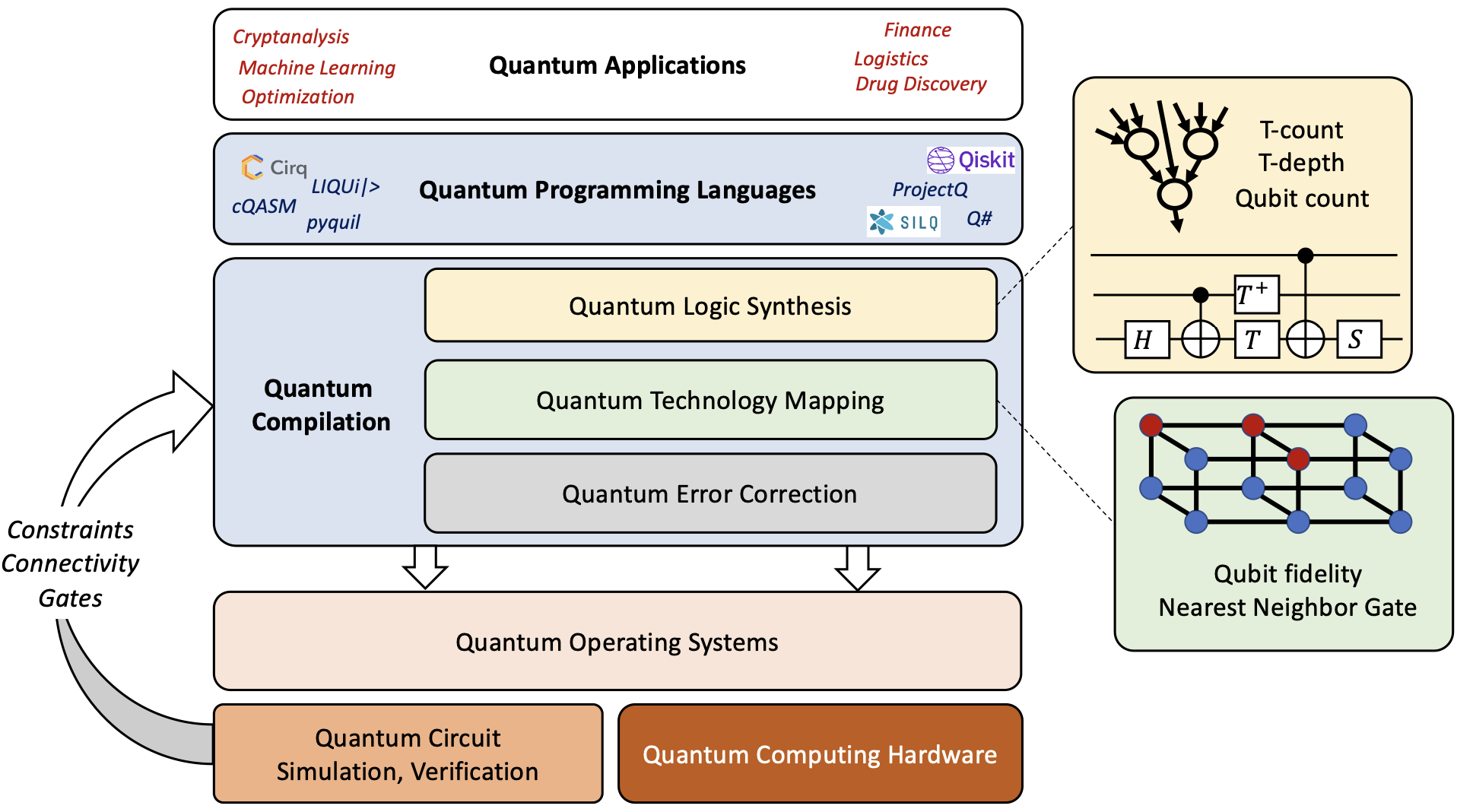
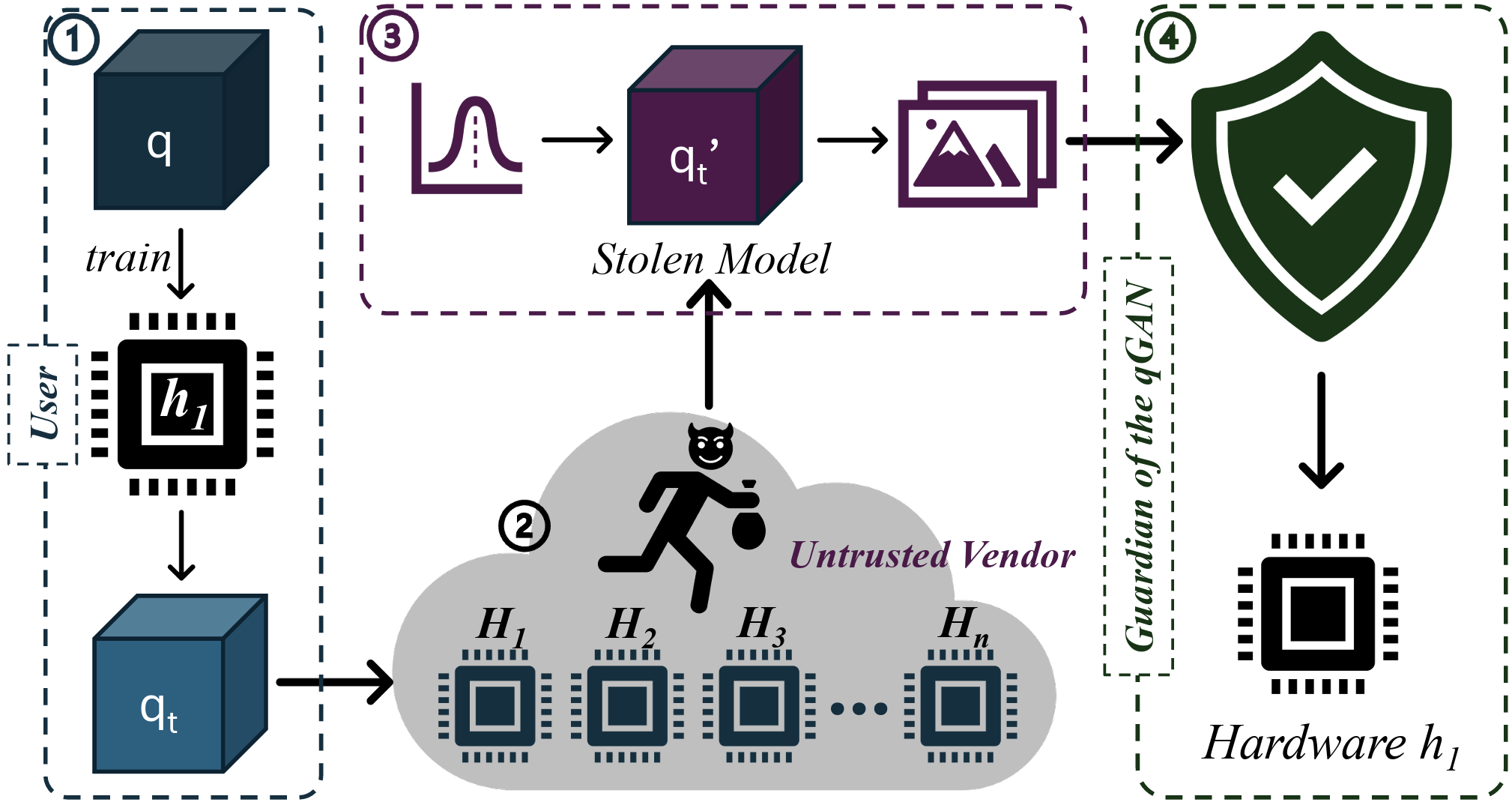
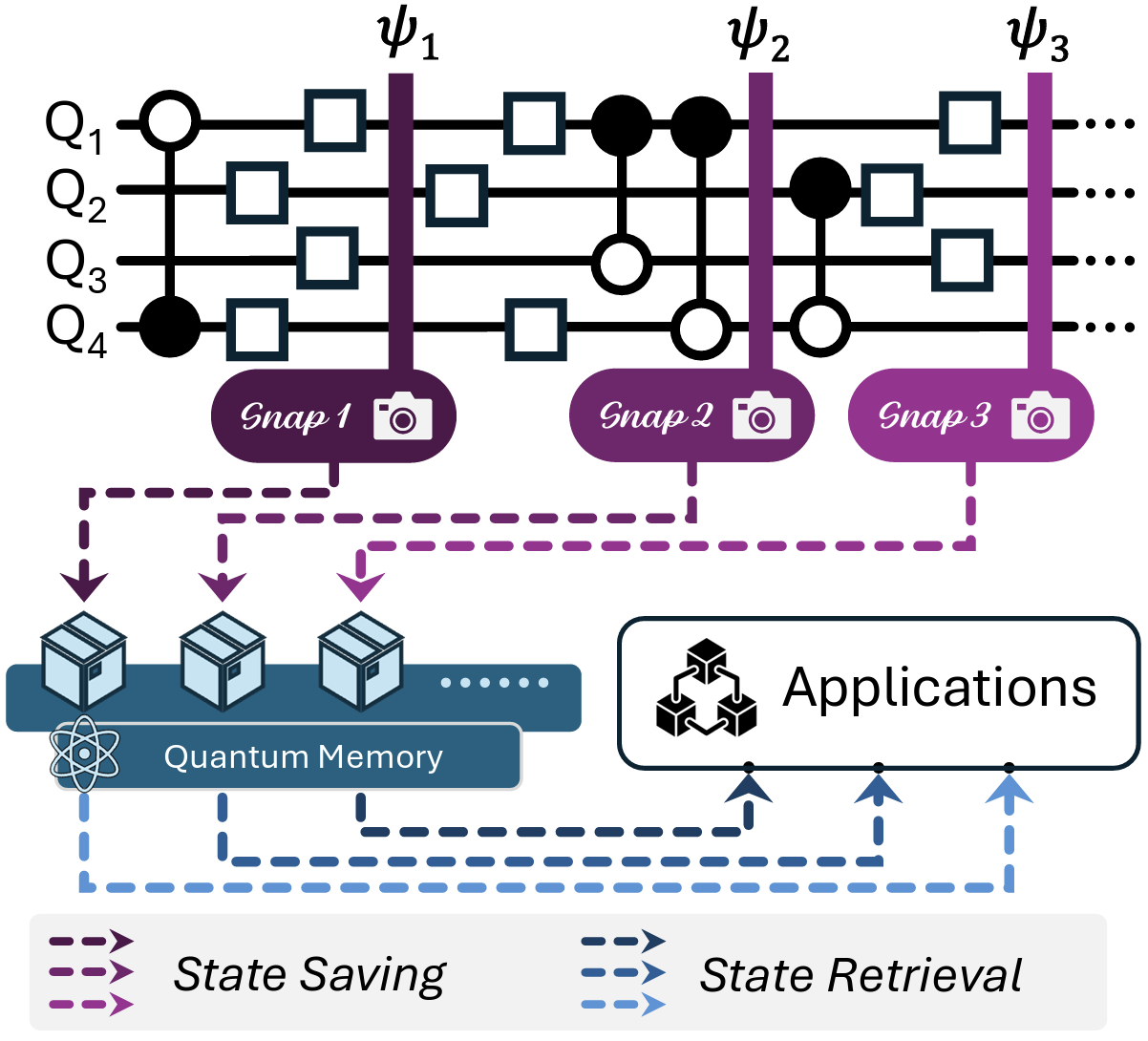
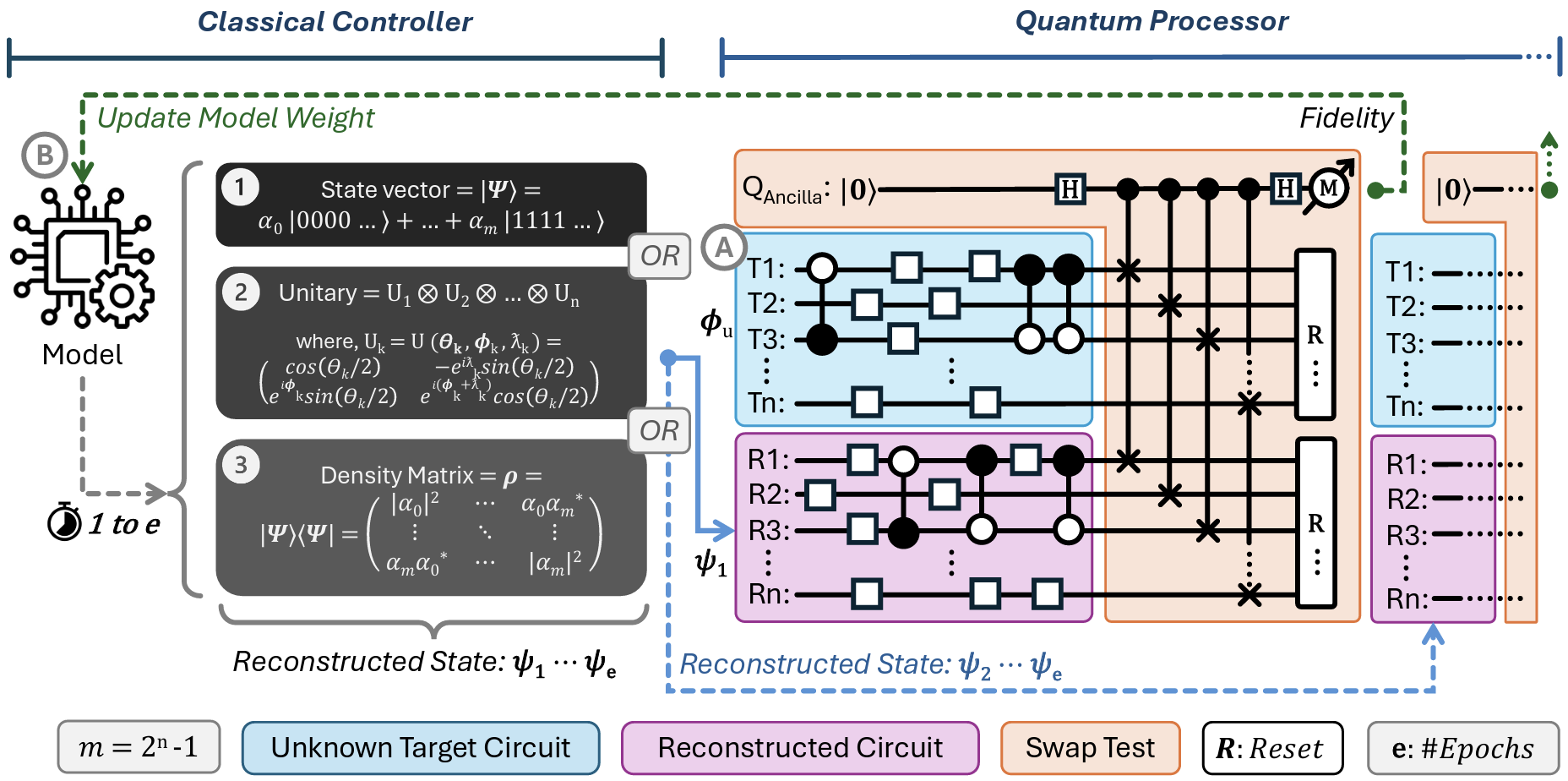
This project area broadly explores the software, systems, and infrastructure underlying quantum computing. It includes work on programming models, compilation toolchains, and design automation flows, as well as studies of how these components come together in practical end-to-end workflows. At a broader level, this category considers the structure and evolution of the quantum computing ecosystem, including system integration, scalability, and other high-level challenges that shape the development of quantum technologies.